

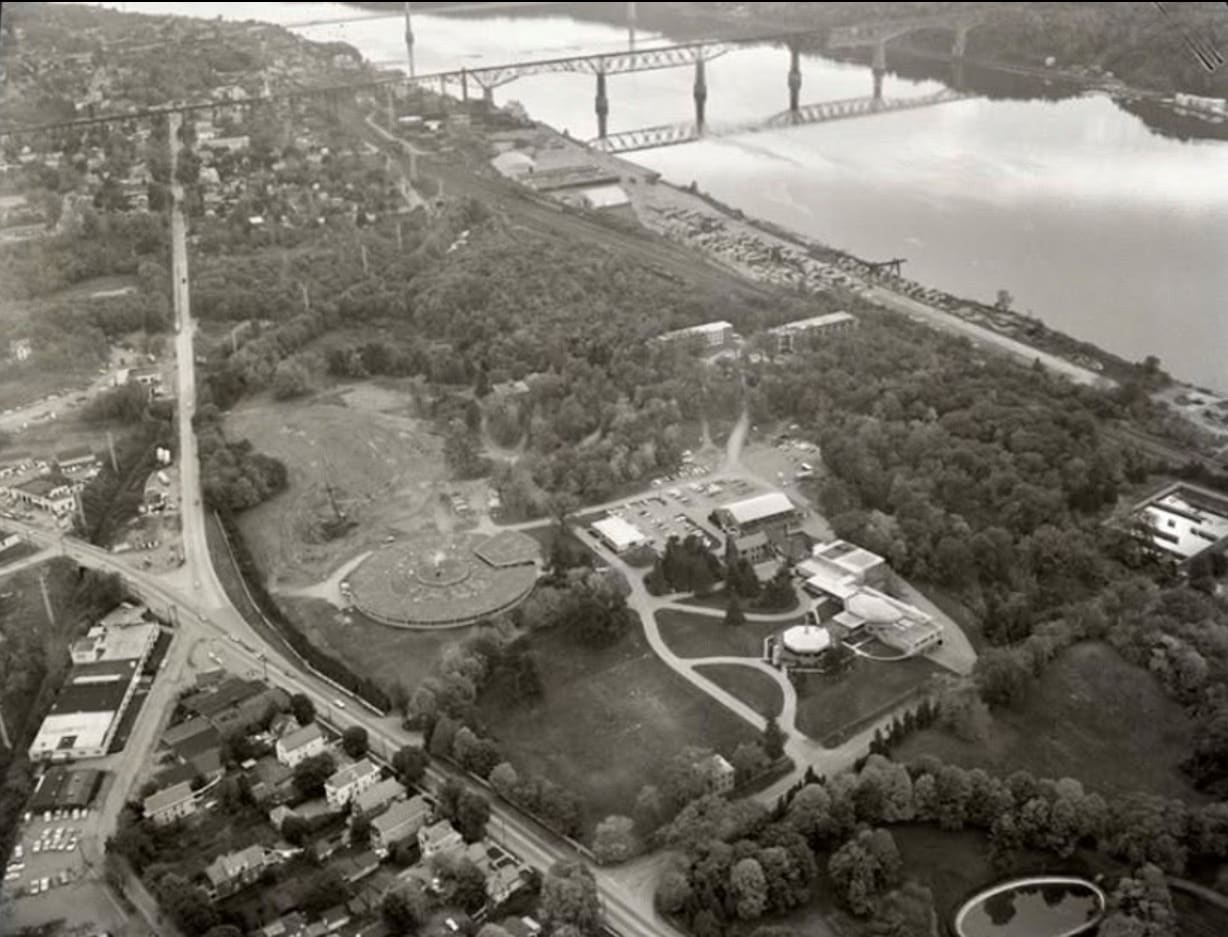

American homes have changed dramatically since the 1960s, but the reasons people buy and sell have remained remarkably familiar. Families still want a place that fits their lives, a neighborhood they enjoy, and confidence that their investment will support their next chapter. What has changed is the way homes are designed, financed, marketed, and evaluated.
For buyers and sellers in Hillsdale, Millerton, Dover, and the surrounding countryside, understanding those changes can make it easier to recognize both the enduring appeal of older homes and the features modern buyers value most.
Homes Were Smaller, but Often More Purposeful
In the 1960s, the typical American home was considerably smaller than many homes built today. Rooms were more clearly defined: kitchens were places to cook, dining rooms were used for meals, and living rooms were reserved for gathering or entertaining. Storage was limited, and a single family television was often the centerpiece of the home.
Today’s buyers frequently look for open-concept living, flexible rooms, larger closets, home offices, and spaces that can serve multiple needs. A former formal dining room may become a study, playroom, or remote-work space. Finished basements, mudrooms, and bonus rooms can be especially appealing because they give a household room to adapt without having to move.
That does not mean older layouts have lost their value. Many buyers appreciate the character, privacy, craftsmanship, and architectural details found in mid-century and historic homes. Well-proportioned rooms, hardwood floors, built-ins, porches, and mature landscaping can create a sense of place that newer construction may not replicate.
Kitchens Became the Heart of the Home
A 1960s kitchen was often compact and practical, designed primarily for meal preparation. Appliances were smaller, cabinetry was simpler, and entertaining usually happened elsewhere in the house. Over time, the kitchen evolved into a central gathering place where people cook, work, socialize, and spend daily family time.
Modern buyers often prioritize updated appliances, generous counter space, pantry storage, durable finishes, and a connection between the kitchen and nearby living areas. In higher-value homes, details such as quality cabinetry, thoughtful lighting, islands, and well-designed outdoor access can make a meaningful impression.
For sellers, a full renovation is not always necessary. A clean, bright kitchen with repaired hardware, updated lighting, fresh paint, and uncluttered counters can help buyers focus on the home’s potential. For buyers considering an older property, it is wise to look beyond surface finishes and consider the kitchen’s footprint, storage, electrical capacity, and renovation possibilities.
Technology Changed the Way Homes Work
Homes in the 1960s were built for a very different daily routine. Landline telephones, modest electrical demands, and basic heating systems were standard. Today, households depend on reliable internet, charging stations, smart devices, efficient heating and cooling, security systems, and flexible electrical service.
Buyers now ask questions that would have been unusual decades ago: Is high-speed internet available? How old is the roof? Is the electrical panel sufficient? Is there central air, backup power, or a modern water system? In rural and small-town markets, buyers may also pay close attention to wells, septic systems, driveways, drainage, and year-round accessibility.
These practical details matter because they affect comfort, maintenance planning, and long-term ownership costs. Sellers who can provide clear records for upgrades, inspections, permits, utility history, and system maintenance help create trust and reduce uncertainty during a transaction.
Energy Efficiency Became a Major Consideration
Energy costs and environmental awareness have reshaped what buyers expect from a home. Older properties may have charm and solid construction, but they can also benefit from insulation improvements, updated windows, efficient heating equipment, and careful weatherization.
Today’s buyers often notice features that support comfort and efficiency, including newer mechanical systems, programmable thermostats, insulated attics, energy-conscious appliances, and well-maintained windows and doors. These improvements can be especially valuable in the Hudson Valley’s changing seasons, where a home needs to feel welcoming in winter and comfortable through warm summer days.
For sellers, efficiency upgrades are worth documenting. Even modest improvements can strengthen a listing when presented clearly and honestly. For buyers, an older home should not be dismissed simply because it needs updates; a thoughtful inspection and realistic budget can reveal an excellent opportunity to blend classic character with modern performance.
The Real-Estate Process Is Faster and More Informed
Perhaps the biggest change is how people search for homes. In the 1960s, buyers relied on newspaper ads, window displays, personal referrals, and in-person appointments. Information was limited, and much of the process moved at a slower pace.
Today, buyers can view listings, compare recent sales, explore neighborhoods, and schedule showings from almost anywhere. Professional photography, virtual tours, detailed property information, and online communication have made the market more transparent and more immediate. A home can attract attention within hours of being listed.
That speed makes preparation especially important. Sellers benefit from pricing strategically, presenting the home well, and making key information easy to understand from the start. Buyers benefit from knowing their financing options, defining their priorities, and working with a local professional who can help them interpret condition, value, and competition.
What Has Not Changed
Despite new technology and changing design trends, real estate is still personal. Buyers want to picture their routines in a home. Sellers want to feel confident that they are making a smart move. Location, condition, value, and timing still shape every decision.
The best homes continue to offer a combination of comfort, possibility, and connection to the community around them. Whether a property was built in the 1960s or completed last year, its value comes from how well it supports the life its next owner hopes to build.
If you are thinking about buying or selling in Hillsdale, Millerton, Dover, or nearby communities, a local market conversation can help you weigh a home’s history, condition, upgrades, and future potential with confidence.